The Grand Canyon is famous for its size, color and dramatic views, but those first impressions only tell part of the story.
Its exposed rock layers reach back nearly two billion years. The Colorado River travels 277 miles through the canyon. Elevation changes create dramatically different climates between the rims and the inner canyon. And the landscape continues to be shaped by erosion today.
Here are 10 Grand Canyon facts and statistics that help explain what makes this natural landmark so remarkable.
1. The Grand Canyon Is 277 Miles Long
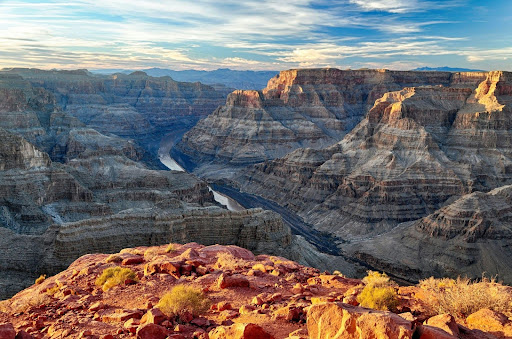
The Colorado River travels approximately 277 miles through the Grand Canyon.
That enormous distance is one reason the canyon can look completely different depending on where you experience it. Grand Canyon West, the South Rim and the North Rim are not simply different viewpoints of the same scene—they provide distinctly different perspectives on an immense landscape.
According to the National Park Service, the canyon averages about 4,000 feet deep and ranges roughly 10 to 18 miles across in many areas.
2. Some Grand Canyon Rocks Are About 1.8 Billion Years Old
The canyon itself is much younger than the rocks exposed within its walls.
The oldest rocks visible in the Grand Canyon are approximately 1.8 billion years old. Those ancient formations provide a remarkable look at an enormous span of Earth’s geologic history.
Layer after layer records changing environments that existed long before the modern canyon took shape.
3. The Modern Canyon Is Much Younger Than Its Rocks
Although some of the exposed rock is nearly two billion years old, the landscape we recognize as the Grand Canyon is far younger.
The National Park Service explains that the Colorado River and other erosional forces have been sculpting much of the modern canyon during approximately the last five to six million years.
That contrast is one of the canyon’s most interesting geological features: extraordinarily old rock exposed by a comparatively young landscape.
4. The Colorado River Is Still Shaping the Canyon
The Colorado River did not finish its work millions of years ago.
Water, sediment, weather and gravity continue to erode and reshape the canyon. During periods of higher flow, the river can transport rocks and sediment that help wear away the riverbed and canyon walls.
The result is a landscape that may appear timeless but is still changing.
5. The Grand Canyon Has Dramatically Different Climates
Weather at the Grand Canyon can vary significantly depending on elevation.
The South Rim sits around 7,000 feet above sea level, while portions of the inner canyon are thousands of feet lower. Temperatures generally increase as you descend into the canyon.
That means visitors can encounter snow and freezing temperatures near the rim while conditions deep inside the canyon are substantially warmer.
During summer, temperatures near the Colorado River can exceed 100°F even when conditions at the rim are much milder.
6. The Canyon Is More Than a Single Rim
When someone says they are visiting the Grand Canyon, it is worth asking which part.
The South Rim is part of Grand Canyon National Park and is known for classic panoramic viewpoints, visitor facilities and access to famous trails.
The North Rim is higher, more remote and seasonally accessible. It offers a quieter experience and a more forested environment.
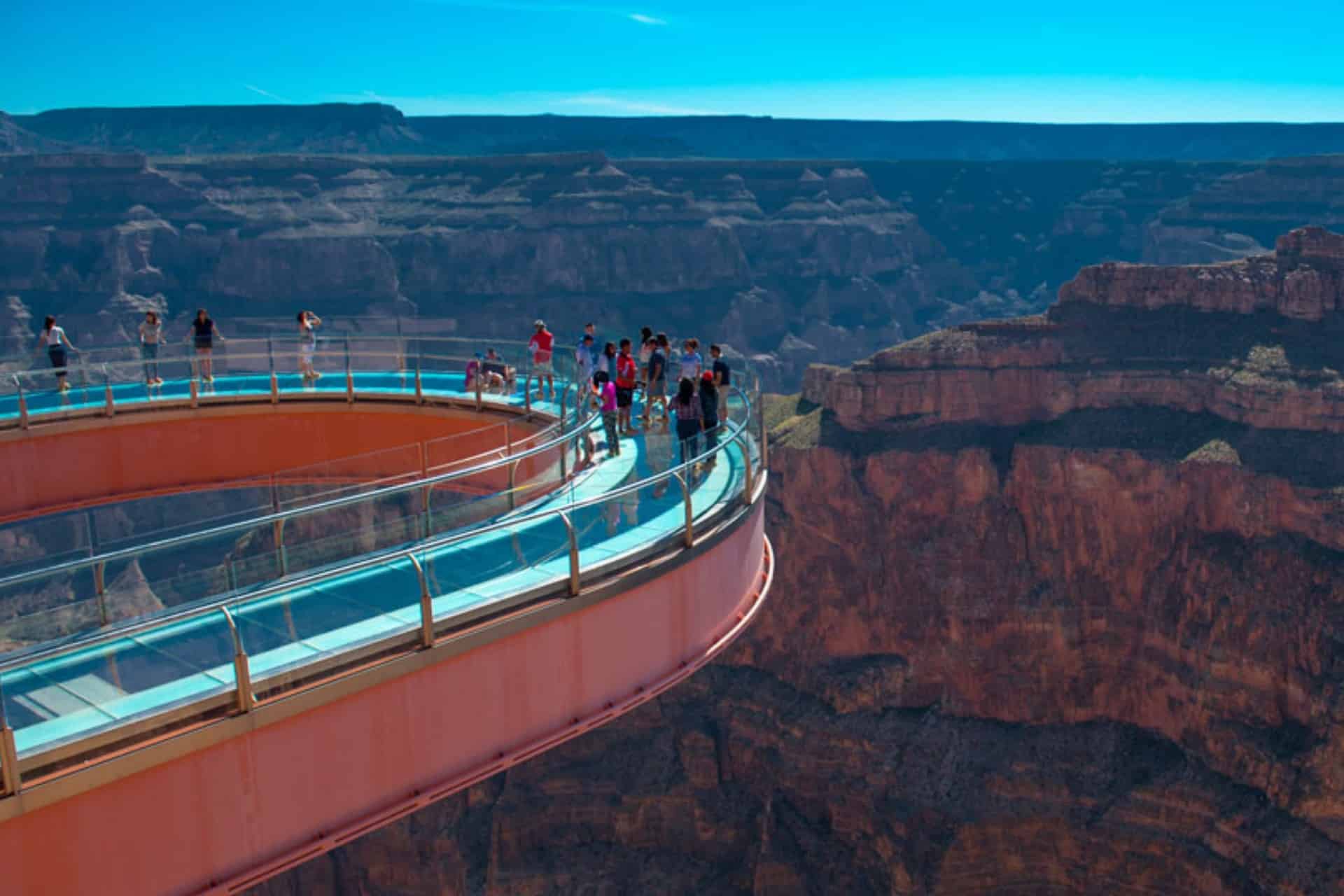
Grand Canyon West is located on Hualapai Tribal land rather than within Grand Canyon National Park. It is the closest major Grand Canyon destination to Las Vegas and is home to the Grand Canyon Skywalk.
If you’re deciding which experience fits your trip, see our guide comparing the Grand Canyon West Rim vs. South Rim.
7. The Grand Canyon Is Home to Remarkable Wildlife
The dramatic cliffs and desert terrain can make the Grand Canyon look harsh and uninhabitable, but the region supports a wide variety of wildlife.
Animals found throughout the broader canyon environment include bighorn sheep, mule deer, elk, coyotes, bats, reptiles and numerous bird species.
One of the most impressive is the California condor. With a wingspan approaching 10 feet, it is one of North America’s largest flying birds and can sometimes be seen soaring above the canyon.
Visitors should observe wildlife from a safe distance and never feed wild animals.
8. The Grand Canyon Contains Caves and Hidden Geological Features
The canyon walls contain caves and other underground features formed over immense periods of time.
These environments can contain important geological, biological, paleontological and archaeological resources.
Grand Canyon National Park currently restricts public access to its caves in order to protect these fragile environments. Visitors should not enter caves or restricted areas without proper authorization.
9. You Cannot Appreciate the Grand Canyon’s Scale From a Single Viewpoint
One of the hardest things to understand about the Grand Canyon is simply how large it is.
A photograph captures only a small portion of the landscape. Even standing at a famous overlook provides just one perspective.
Driving between viewpoints lets you see different sections from the rim, while hiking provides a closer look at the canyon’s layers and elevation changes.
Seeing the canyon from the air offers another perspective entirely because you can observe much more of the landscape at one time.
10. There Is More Than One Way to Experience the Grand Canyon
The best way to see the Grand Canyon depends on what you want from your trip.
Some visitors want to stand at a famous South Rim viewpoint. Others want to hike below the rim, visit the Skywalk, fly above the canyon or land inside Grand Canyon West.
For travelers staying in Las Vegas, helicopter and airplane tours can provide a particularly efficient way to experience the canyon without spending much of the day driving.
You can compare the different options in our guide to the best ways to see the Grand Canyon.
Seeing the Grand Canyon From the Air
Statistics help explain the Grand Canyon, but they cannot fully communicate its scale.
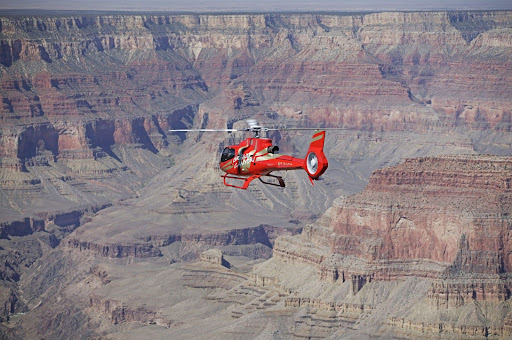
From a helicopter or sightseeing airplane, the relationship between the Colorado River, canyon walls, plateaus and surrounding desert becomes much easier to understand.
GC Flight offers several ways to experience the Grand Canyon from the Las Vegas area.
Grand Canyon Helicopter Tours
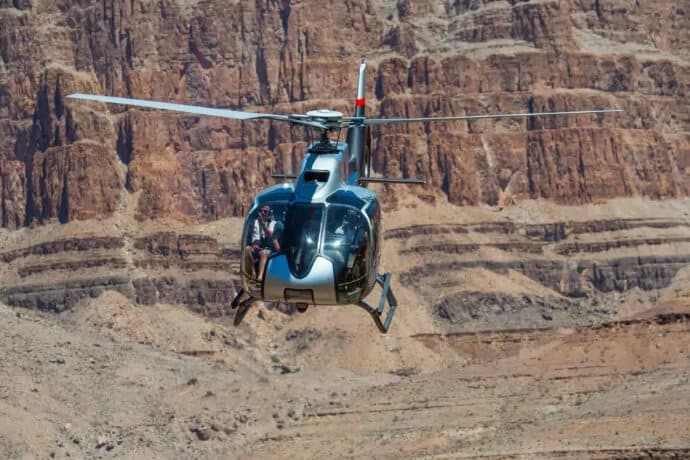
Grand Canyon helicopter tours from Las Vegas provide aerial views of the Southwest with options that can include Grand Canyon West, Hoover Dam, Lake Mead and the Colorado River.
Canyon-Floor Landings
Selected Grand Canyon floor-landing helicopter tours descend below the rim at Grand Canyon West, allowing guests to step out inside the canyon.
Grand Canyon Skywalk
Travelers who want to combine a helicopter experience with time at Grand Canyon West can consider a Grand Canyon helicopter and Skywalk tour.
Grand Canyon Airplane Tours
GC Flight also offers Grand Canyon airplane tours, including air-only sightseeing and itineraries that combine flying with other Grand Canyon experiences.
Why Is the Grand Canyon So Unique?
No single statistic explains why the Grand Canyon is extraordinary.
It is the combination of its enormous size, exposed geological history, dramatic elevation changes, Colorado River, wildlife, changing climate and countless viewpoints that makes the landscape unlike almost anywhere else.
It is also a place that changes depending on how you experience it. The view from the rim is different from the view near the river, and both are completely different from seeing the canyon from the air.
For travelers visiting Las Vegas, GC Flight makes it possible to compare several of those aerial experiences in one place.
Compare Grand Canyon Helicopter Tours
Frequently Asked Questions About the Grand Canyon
How long is the Grand Canyon?
The Colorado River travels approximately 277 miles through the Grand Canyon. The canyon averages about 4,000 feet deep and is roughly 10 to 18 miles wide in many areas.
How old is the Grand Canyon?
The rocks exposed in the canyon are much older than the canyon itself. Some rocks are approximately 1.8 billion years old, while much of the modern canyon landscape was carved during approximately the last five to six million years.
How deep is the Grand Canyon?
The canyon averages about 4,000 feet deep, with some areas exceeding 6,000 feet from rim to river.
Is Grand Canyon West part of Grand Canyon National Park?
No. Grand Canyon West is located on Hualapai Tribal land. The South Rim and North Rim are part of Grand Canyon National Park.
Can you land inside the Grand Canyon?
Selected helicopter tours operating at Grand Canyon West can land below the rim. Landing regulations and tour operations differ from those at Grand Canyon National Park.
What is the best way to see the Grand Canyon from Las Vegas?
For travelers with limited time, helicopter and airplane tours are among the most efficient ways to experience the Grand Canyon from Las Vegas. The best choice depends on whether you want aerial sightseeing, a canyon-floor landing, a West Rim visit or another combination experience.
Are caves in the Grand Canyon open to visitors?
Grand Canyon National Park currently restricts public access to its caves except for authorized research and other approved purposes. Visitors should not enter restricted caves.