
Summer is one of the most popular times to visit the Grand Canyon, but it also brings a weather pattern that surprises many first-time visitors: monsoon season.
Grand Canyon monsoon season typically affects the region during July, August and early September. A morning can begin with clear blue skies before clouds develop and thunderstorms form later in the day.
Understanding this seasonal weather can help you plan a safer and more enjoyable Grand Canyon visit.

When is monsoon season at the Grand Canyon?
The strongest monsoon pattern generally occurs during July, August and early September.
Moisture moving into northern Arizona combines with intense summer heating to create powerful thunderstorms. Conditions can change rapidly, and storms may affect one part of the canyon while another area remains dry.
That means a sunny morning does not necessarily guarantee clear weather for the entire day.
What is Grand Canyon monsoon weather like?
Monsoon thunderstorms can bring:
- Heavy, localized rain
- Frequent lightning
- Strong wind
- Hail
- Sudden temperature changes
- Flash flooding in washes, tributaries and narrow canyons
Summer thunderstorms frequently develop from late morning through the afternoon.
Some storms produce only brief rain, while others can become severe.
Why are flash floods a concern?
The Grand Canyon’s steep terrain and dry landscape can funnel rainfall into narrow drainages very quickly.
A flash flood may occur even when it is not raining directly where you are standing because water can travel downstream from a storm miles away.
Visitors hiking below the rim, near washes or in narrow canyons should pay particular attention to weather forecasts and changing conditions.
Never enter flowing floodwater, and move to higher ground immediately if you see or hear rapidly rising water.
Lightning safety at the Grand Canyon
Lightning is another major concern during monsoon season.
Open overlooks, exposed ridges and isolated trees can be dangerous places during a thunderstorm. If a storm approaches, follow National Park Service guidance and seek appropriate shelter rather than remaining at an exposed viewpoint for photographs.
Thunderstorms can develop quickly, so continue watching the weather throughout the day instead of relying only on the morning forecast.
Can monsoon weather affect Grand Canyon helicopter tours?
Yes. Helicopter and airplane sightseeing depend on safe operating conditions.
Weather can affect visibility, wind conditions and flight operations. A tour operator may delay, modify or cancel a flight when conditions are not suitable for safe flying.
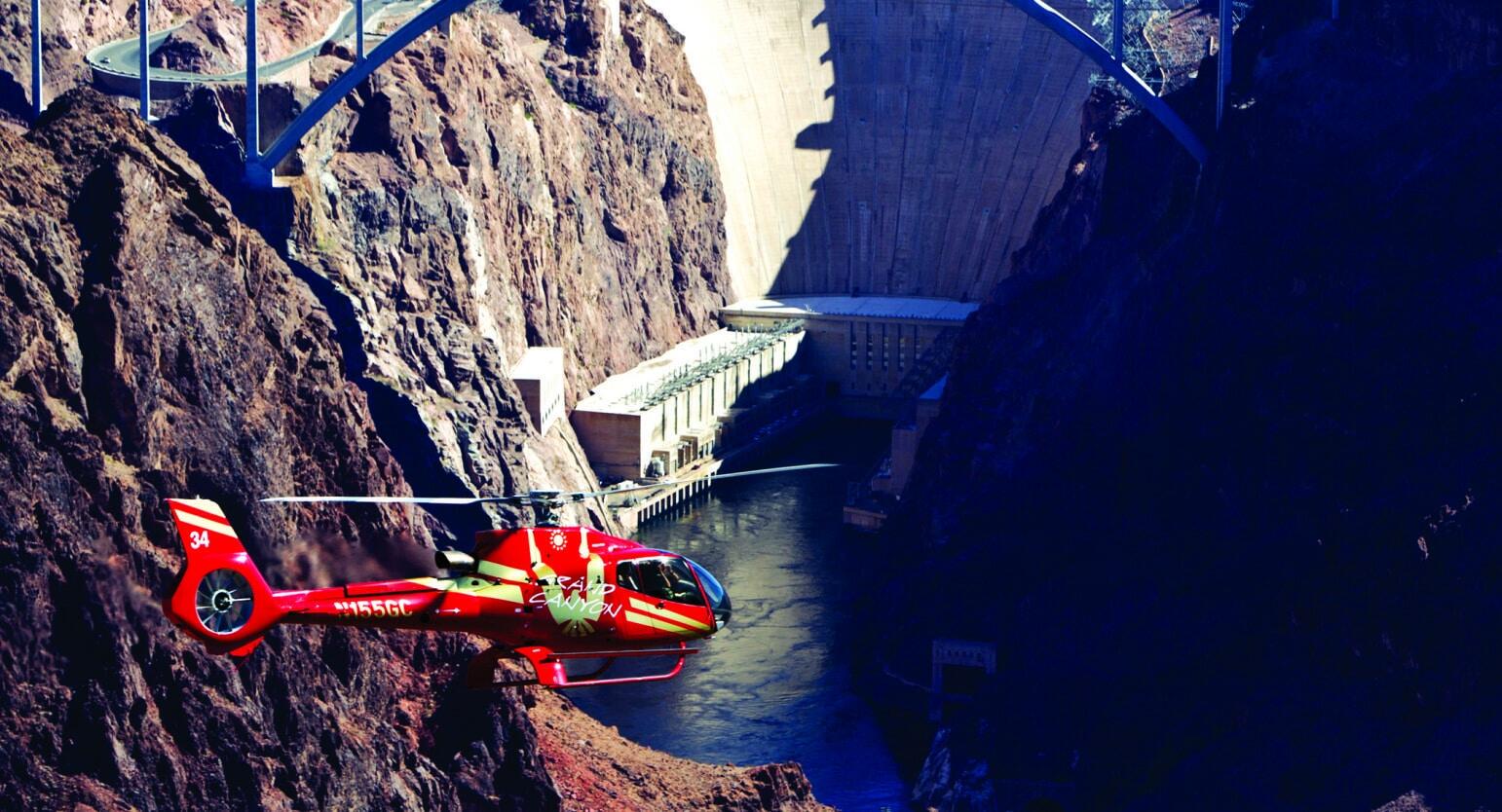
That does not mean travelers should avoid visiting during monsoon season. Many summer days still provide excellent sightseeing conditions. It simply means flexibility is helpful.
If you are booking an aerial tour during summer, avoid scheduling your most important activity immediately before a flight home or another inflexible reservation.
Is morning a better time during monsoon season?
Morning conditions are often more stable because many summer thunderstorms develop later in the day.
However, weather varies from day to day and there is never a guarantee that a particular departure time will remain clear.
If you have flexibility when choosing a Grand Canyon flight during July or August, an earlier departure can be worth considering.
What should you bring during monsoon season?
Summer visitors should prepare for both heat and sudden storms.
- Plenty of drinking water
- Sun protection
- Lightweight layers
- Appropriate walking shoes
- Rain protection
- A charged phone
- Extra time in your itinerary
Conditions at the rim can also be very different from conditions deep inside the canyon because of the large elevation change.
Should you still visit the Grand Canyon during monsoon season?
Absolutely, as long as you understand the weather and remain flexible.
Summer storms can create dramatic skies, shifting light and remarkable canyon scenery. The key is respecting changing conditions and following official weather and safety guidance.
Before heading out, check the current Grand Canyon weather forecast and any National Park Service alerts.
See the Grand Canyon from the air
One of the most memorable ways to appreciate the scale of the canyon is from above.
GC Flight offers a variety of Grand Canyon helicopter tours from Las Vegas, including sightseeing flights and landing experiences.
Travelers already visiting the South Rim can also compare South Rim helicopter tours.
If weather affects your scheduled flight, follow the instructions provided for your specific reservation and tour operator.
For help choosing a Grand Canyon flight, call GC Flight at 1-800-871-1030.